
Standardisation and classification
Classification of methods and standards for intake and hygiene, so every treatment follows the same safe procedure.
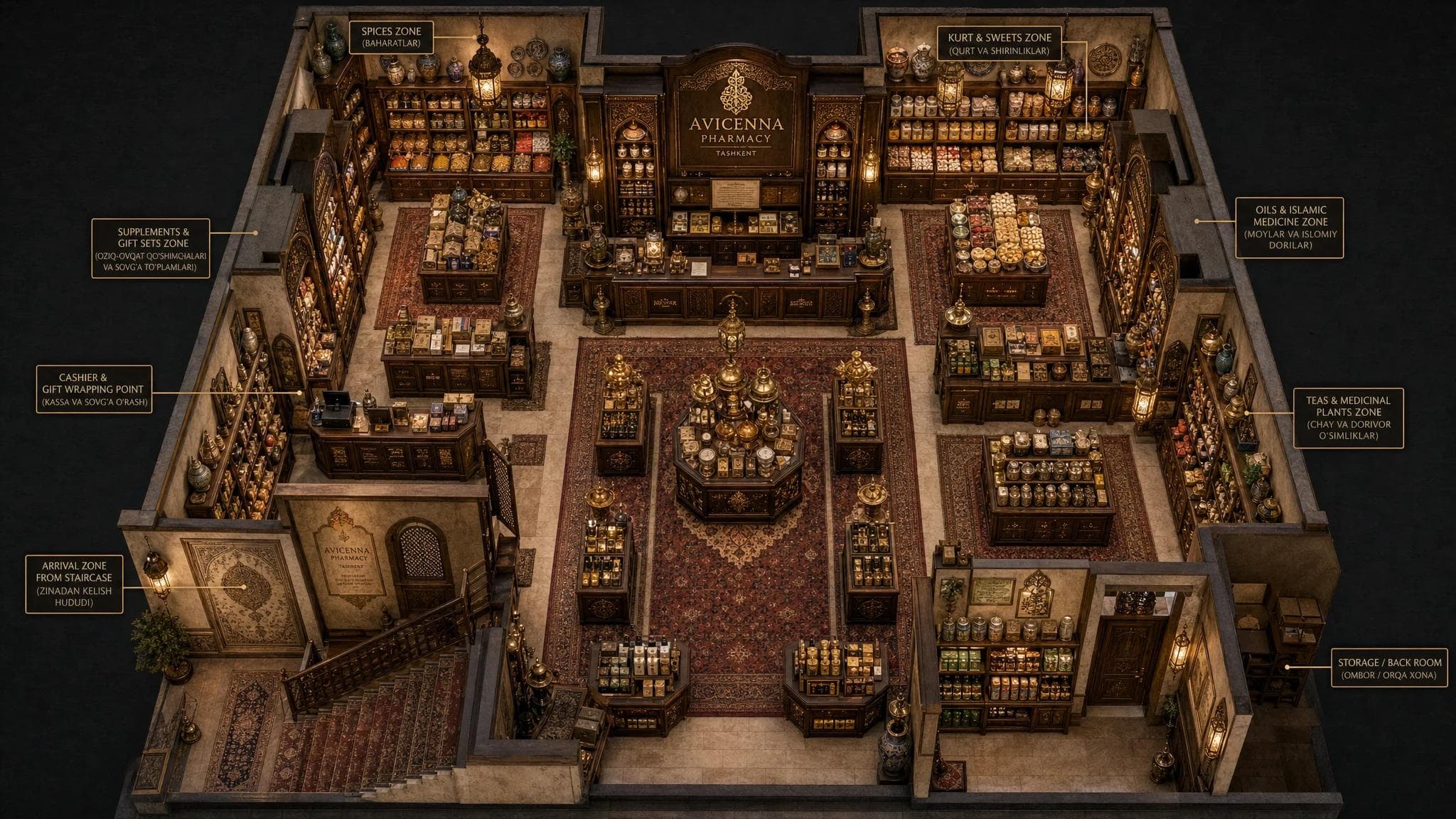
This direction sets how every treatment at the centre is carried out: methods are grouped by type, intake and treatment courses follow one scheme, and hygiene rules and practitioner levels are written down.
Areas of work
- 01.1
Classification of methods
Needle therapy, electro-acupuncture, cupping, moxa (warming), ear-point therapy and herbal medicine are grouped by type, each with its indications and contraindications.
- 01.2
Herbal prescriptions
Blends are split into short-term ones for acute conditions and long-term ones for chronic conditions. A prescription usually covers 1–2 weeks, then the result is reassessed.
- 01.3
Patient intake standard
The first visit records a full health history, including digestion, sleep, the menstrual cycle for women and other body systems. A personal treatment plan is built from it.
- 01.4
Treatment course
A typical course is one session a week for 4–8 weeks, then sessions are spaced out. Progress is reviewed after a few sessions and the plan is adjusted if needed.
- 01.5
Hygiene and sterilisation
Only sterile, single-use needles are used. Before treating patients, every practitioner completes a course in safe needle handling.
- 01.6
Practitioner levels
Three levels: a supervising senior practitioner, a qualified tabib who treats independently, and a trainee who treats under an experienced practitioner's supervision.
- 01.7
Confidential records
Patient information is kept in a protected electronic record and shared with third parties only with the patient's written consent.
Documents
- Classifier of folk-medicine treatment methodsDraft
- Procedure for patient intake and treatment planningDraft
- Safety and sterilisation rules for needle workDraft
- Procedure for writing and dispensing herbal prescriptionsDraft
- Regulation on patient data confidentialityDraft